
Cost of New Furnace and Installation: What Homeowners Need to Know
Key Takeaways
- The cost of new furnace and installation depends on the furnace type, efficiency rating, heating capacity, installation complexity, and condition of your existing HVAC system.
- Choosing a furnace based only on the lowest upfront cost can result in higher energy bills, reduced comfort, or additional repairs later.
- Proper furnace sizing is essential. A furnace that is too large or too small can reduce efficiency and shorten equipment life.
- Existing ductwork, venting, electrical connections, gas lines, and other installation requirements can affect the overall investment.
- Higher-efficiency furnaces may cost more initially but can provide lower heating costs and improved comfort over the life of the system.
- A professional evaluation from Royal Comfort can help homeowners throughout Westchester County understand their options and choose a furnace that fits their home, comfort needs, and budget.
In this article
Understanding the Cost of a New Furnace
Replacing a furnace is a major home improvement, and one of the first questions homeowners naturally ask is how much the project will cost. Unfortunately, there is no single price that applies to every home. The cost of new furnace and installation can vary considerably depending on the equipment selected and the work required to install it correctly. The furnace itself is only one part of the total investment. Professional installation may involve removing old equipment, modifying ductwork, upgrading venting, making electrical or gas connections, installing controls, testing airflow, and ensuring the entire heating system operates safely. Understanding these factors can help you compare furnace replacement options more effectively and avoid choosing equipment based on price alone.
What Determines the Cost of New Furnace and Installation?
Several factors influence the total investment required for a furnace replacement. Some relate directly to the furnace, while others depend on your home’s existing heating system and installation requirements. The most important factors include:
- Furnace type
- Heating capacity
- Energy-efficiency rating
- Equipment features
- Installation complexity
- Existing ductwork
- Venting requirements
- Gas or electrical modifications
- Thermostat and control upgrades
- Removal of existing equipment
Let’s look at each factor more closely.
Furnace Type Can Affect the Overall Cost
The type of furnace installed is one of the biggest factors influencing replacement costs.
Gas Furnaces
Natural gas furnaces are common throughout Westchester County and the surrounding region. They provide powerful, dependable heating and are available in a wide range of efficiency levels. Installation requirements may include gas connections, combustion venting, condensate drainage for high-efficiency models, and electrical connections.
Electric Furnaces
Electric furnaces use electric heating elements rather than burning fuel. The equipment and installation requirements differ from gas systems, and operating costs depend heavily on local electricity rates and the home’s heating demand.
Oil Furnaces
Some older homes throughout the Northeast still rely on oil heating. Replacing an oil furnace can involve additional considerations related to fuel lines, storage tanks, venting, and the existing heating infrastructure.
Heat Pumps
Although technically different from furnaces, heat pumps have become another option for homeowners evaluating heating system replacement. Heat pumps provide both heating and cooling from a single system and may offer excellent efficiency depending on the equipment and application. Before selecting replacement equipment, homeowners should compare not only the purchase price but also long-term energy consumption, maintenance requirements, and overall comfort.
Furnace Efficiency Matters
Another major factor affecting the cost of new furnace and installation is energy efficiency. Gas furnace efficiency is commonly represented by its Annual Fuel Utilization Efficiency, or AFUE, rating. The rating indicates how efficiently the furnace converts fuel into usable heat. According toENERGY STAR furnace efficiency guidelines, AFUE represents the percentage of heat in the incoming fuel that is converted into space heating rather than lost. Higher-efficiency equipment generally reduces wasted energy. For example, upgrading from an older, inefficient furnace to a modern high-efficiency model can potentially reduce fuel consumption while improving overall comfort. However, higher efficiency may also require additional installation considerations. High-efficiency furnaces can require:
- Different venting materials
- Condensate drainage
- Updated combustion air arrangements
- Additional installation modifications
Because of these requirements, homeowners should evaluate efficiency based on both upfront investment and potential long-term savings.
What Is Included in Professional Furnace Installation?
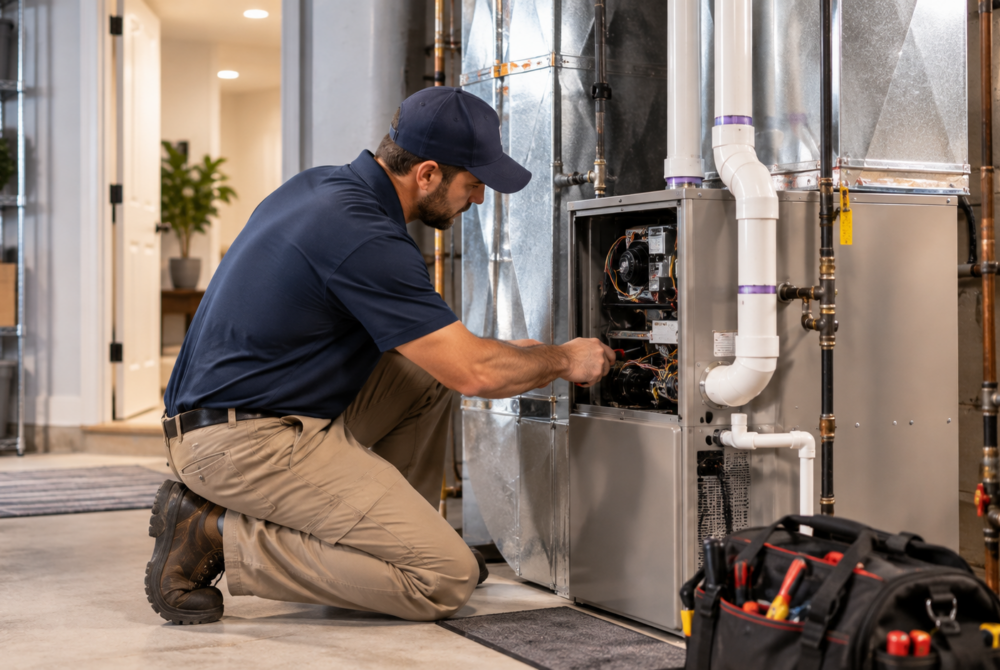
When comparing estimates, it is important to understand exactly what each contractor includes. Professional furnace installation generally involves much more than placing new equipment in the mechanical room. Homeowners who want a closer look at the process can read Royal Comfort’s guide onwhat to expect during an HVAC installation or replacement. A complete replacement may include:
- Evaluating the existing heating system
- Determining proper furnace capacity
- Removing the old furnace
- Preparing the installation area
- Installing the new equipment
- Connecting ductwork
- Completing electrical and fuel connections
- Installing or modifying venting
- Configuring thermostat controls
- Testing the entire system
Once installation is complete, technicians should verify airflow, combustion, temperature rise, safety controls, and thermostat operation. These final steps help ensure the furnace performs according to manufacturer specifications.
How to Get the Most Value From a New Furnace
Once your furnace is installed, a few simple practices can help protect your investment.
Schedule Preventative Maintenance
Annual professional maintenance allows technicians to inspect critical components and identify developing problems before they become larger repairs. Homeowners looking for ongoing preventative care can also learn more about Royal Comfort’sHVAC maintenance memberships and the benefits available for maintaining heating and cooling equipment throughout the year.
Replace Filters Regularly
Dirty filters restrict airflow and force the system to work harder. Filter replacement frequency depends on filter type, household conditions, pets, and indoor air quality needs.
Use Your Thermostat Effectively
Avoid unnecessarily extreme thermostat settings. Programmable and smart thermostats can automatically reduce heating demand when the home is empty or everyone is asleep.
Address Small Problems Early
Unusual noises, odors, short cycling, or changes in heating performance should not be ignored. Small issues are often easier to correct before they cause additional equipment damage.
Why Westchester County Homeowners Choose Royal Comfort
Understanding furnace replacement costs begins with understanding your home. Royal Comfort provides professional heating and cooling services throughout Westchester County, helping homeowners evaluate existing equipment and choose solutions based on their actual heating requirements. Instead of recommending equipment based solely on square footage or price, Royal Comfort considers the complete heating system, including furnace capacity, efficiency, ductwork, controls, and installation requirements. Homeowners can explore Royal Comfort’s completeheating and HVAC installation services, including home heating, system installation, unit replacement, maintenance, and emergency HVAC service. Royal Comfort’s experienced team can evaluate your current system, explain available options, and provide a clear estimate based on the work your home actually requires.
Plan Your Furnace Replacement With Confidence
The cost of new furnace and installation depends on much more than the price of the furnace itself. Equipment efficiency, heating capacity, system technology, ductwork, venting, controls, and installation complexity all influence the total investment. Rather than searching for the cheapest furnace, focus on finding the system that delivers the best combination of comfort, reliability, efficiency, and long-term value for your home. Professional sizing and installation are particularly important. The right equipment installed correctly can provide dependable heating for years while helping control energy consumption and reduce unexpected repair costs. If your current furnace is aging, becoming unreliable, or struggling to keep your home comfortable, Royal Comfort can help you evaluate your options. Contact Royal Comfort today to schedule a furnace evaluation and learn which heating system is right for your Westchester County home.
Frequently Asked Questions
What affects the cost of new furnace and installation?
Furnace type, efficiency, heating capacity, equipment technology, installation complexity, ductwork, venting, controls, and required electrical or gas modifications can all influence the total cost.
Is a high-efficiency furnace worth the additional investment?
It can be. Higher-efficiency equipment may reduce fuel consumption and heating costs, particularly when replacing an older, inefficient furnace. The potential value depends on your home, heating usage, fuel costs, and how long you expect to own the equipment.
Should I repair or replace an older furnace?
Minor repairs may still make sense when a furnace is otherwise reliable. Replacement becomes more attractive when equipment requires frequent repairs, operates inefficiently, or is approaching the end of its expected lifespan.
How long does furnace installation take?
Many straightforward furnace replacements can be completed within a day, although installations requiring significant ductwork, venting, electrical, or fuel-line modifications may take longer.
Does a larger furnace heat a home better?
No. An oversized furnace may short cycle and create uneven temperatures, while an undersized furnace may run excessively. Proper sizing is essential for efficiency, comfort, and equipment longevity.
Does furnace installation include removing the old furnace?
Professional replacement commonly includes removal of the existing equipment, although homeowners should confirm exactly what is included when reviewing an estimate.
When is the best time to replace a furnace?
Ideally, homeowners should consider replacement before the existing furnace completely fails. Planning ahead provides more time to compare equipment, efficiency levels, and installation options without the pressure of an emergency breakdown.